






Turn

perception into strategy

Understanding how the brain responds to flavor, packaging, and marketing.

Flavor Perception

Emotional Response

Attention

Purchase Intent

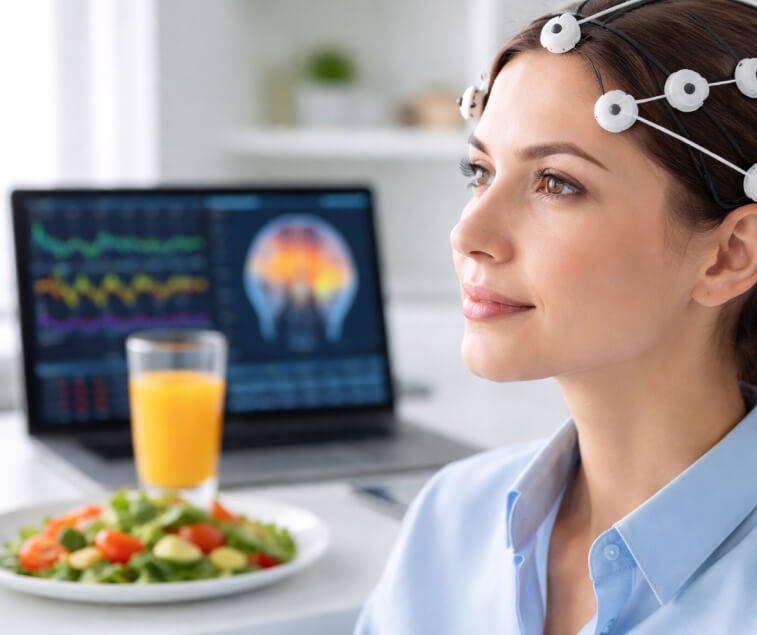
EEG

GSR

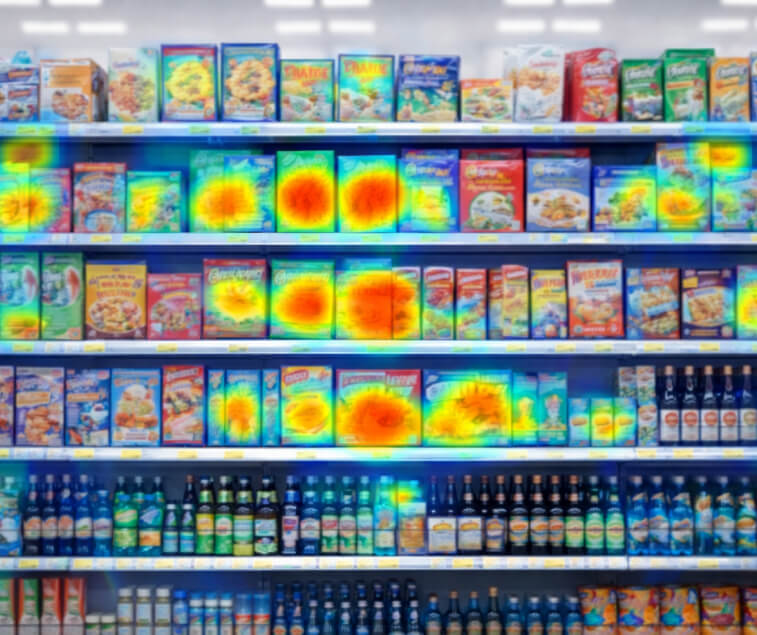
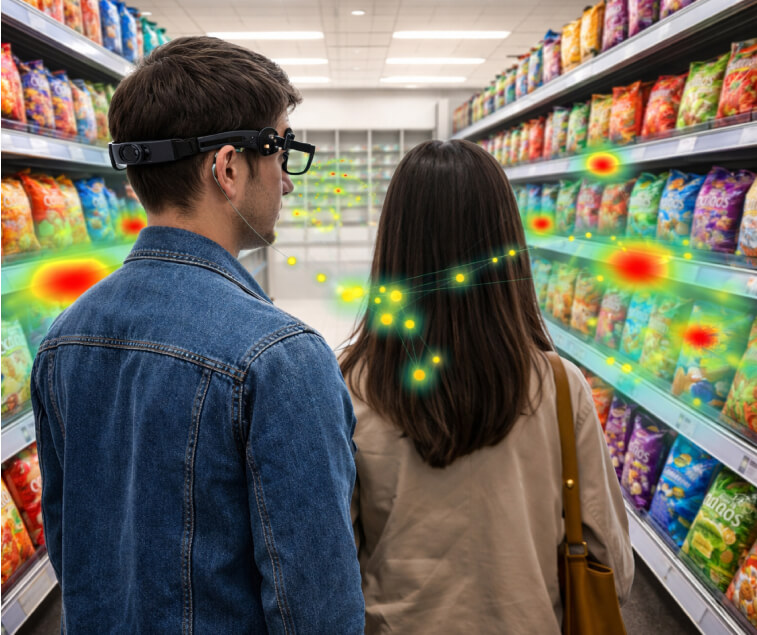
Eye Tracking

Predictive AI

Flavor Perception

Emotional Response

Attention

Purchase Intent

EEG

GSR

Eye Tracking

Predictive AI

Emotion first. Logic later.

Decisions Happen in Seconds

For CPG brands, these split-second decisions are driven by what consumers see, smell, and expect to taste at the shelf.

Flavors trigger instant emotional memory

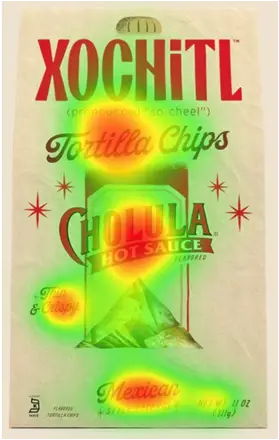
Packaging wins or loses attention in seconds

Aromas influence desire before awareness

Shelf competition determines visibility vs. invisibility

Flavors trigger instant emotional memory

Packaging wins or loses attention in seconds

Aromas influence desire before awareness

Shelf competition determines visibility vs. invisibility

What

TRADITIONAL RESEARCHMISSES

For decades, companies have relied on surveys, focus groups, and taste panels to understand consumer preferences. While these methods provide useful feedback, they capture only what people say they feel, not how the brain actually responds. Many decisions are driven by subconscious processes that consumers cannot easily explain. As a result, traditional research often misses the deeper drivers of perception and behavior.

The Limits of Self Reported Feedback

Where traditional methods fall short

Data Integrity in Neuro-Sensory Research

Traditional Research

Brain-Based Insight

Discover Sensory

SOLUTIONS

Flavor & Product Testing

Use cases:
  1. Flavor optimization
  2. New product development
  3. Ingredient testing
  4. Texture perception
Tools used:

EEG, GSR & Eye Tracking

Packaging Testing

Use cases:
  1. Shelf impact
  2. Label clarity
  3. Window vs opaque packaging
  4. In-Store testing
Tools used:
Eye Tracking, EEG, GSR & Predictive Eye Tracking

Advertising & Marketing Testing

Use cases:
  1. TV commercials
  2. Social media ads
  3. Brand storytelling
Tools used:
EEG, GSR, Eye Tracking & Predictive Eye Tracking

Concept Testing

Use cases:
  1. Product concepts
  2. Packaging concepts
  3. Brand messaging
Tools used:

EEG, GSR & Eye Tracking

Company Type

EEG

GSR

EYE Tracking

Predictive Eye Tracking

CPG Companies

Restaurants

Limited

Beverage Brands

Retail

Tech

Tools & Technology

Explain credibility.

EEG

Measures:

  1. Emotional engagement
  2. Attention
  3. Memory encoding

GSR

Measures:

  1. Emotional arousal
  2. Stress
  3. Excitement

EYE
TRACKING

Measures:

  1. Visual attention
  2. Shelf scanning
  3. Packaging visibility

Predictive Eye Tracking

AI model predicting:

  1. Consumer visual attention
  2. Shelf performance
  3. Marketing impact

Key note: Does not require live participants.

Sectors

INDUSTRIES

Instead of just listing industries, we show:
Industry + Applications + Tools

Industry Service Matrix

Industry

Flavor Testing

Packaging Testing

Ad Testing

Predictive Eye Tracking

CPG Companies

EEG, GSR

EEG, GSR, Eye Tracking

EEG, GSR, Eye Tracking

Snack Brands

EEG, GSR

Eye Tracking

EEG, GSR

Beverage Brands

EEG, GSR

Eye Tracking

EEG, GSR

Restaurants

EEG, GSR

Limited

Retail / Supermarkets

Eye Tracking

Predictive

Neural Taste

THE NEUROSCIENCE OF FLAVOR

Why Products Fail Even When They Taste Good

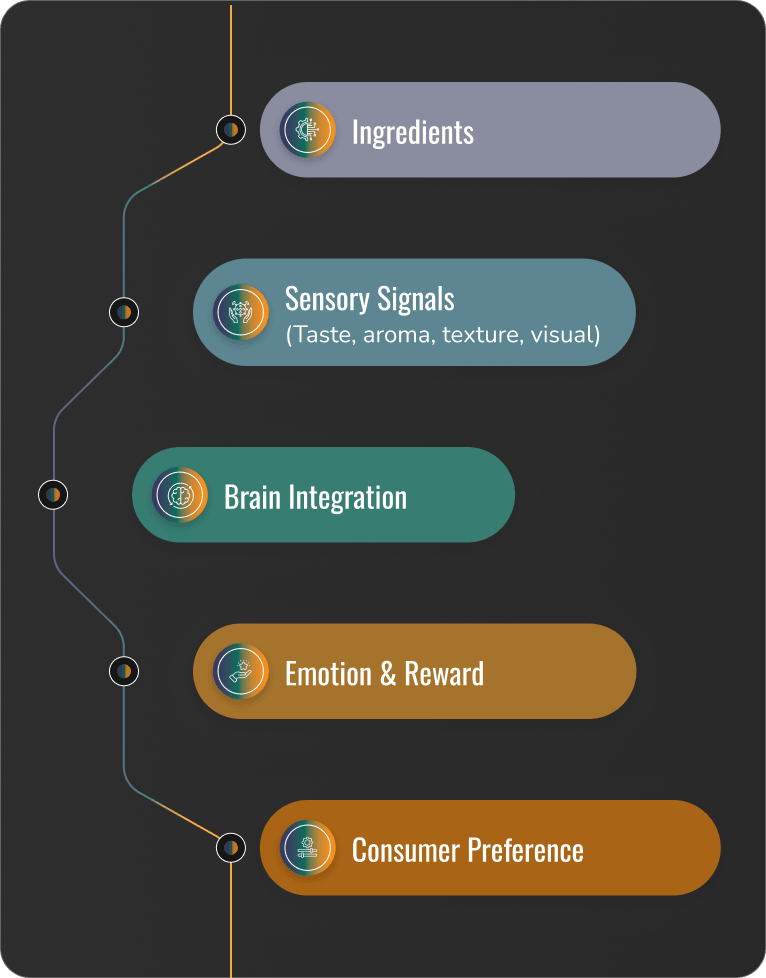
Traditional product development focuses on ingredients, recipes, and sensory panels. But flavor is not experienced on the plate — it is constructed in the brain.

The brain integrates signals from taste, aroma, texture, temperature, and visual cues to create what we perceive as flavor. Without understanding these neural responses, companies risk optimizing recipes that perform well in the kitchen but fail to create strong consumer engagement.

Perceptra applies neuroscience to understand how the brain actually experiences food, helping companies design products that are more memorable, engaging, and repeatable. What the Brain Actually Experiences

Our proprietary model help companies understand how flavor perception is shaped by multiple neural systems working together.

From Sensory Experience to Product Strategy

By measuring how the brain responds to senst stimuli, companies can move beyond guesswork.

Which flavors create stronger neural engagement

How aroma influences perceived taste

Why certainly increase consumption

How packaging primes flavor expectations

How marketing influences perceived flavor before the first bite

This approach allows companies to design products based not only on
ingredients, but on how the brain experiences them.

Explain the process

How It Works

Study design
Participant selection
Data Collection
Neural signal analysis
Business Insignts

Case Study

Building Brands That Stand Out

Lorem ipsum dolor sit amet consectetur adipiscing elit. Quisque faucibus ex sapien vitae pellentesque sem placerat. In id cursus mi pretium tellus duis convallis. Tempus leo eu aenean sed diam urna tempor. Pulvinar vivamusendrerit semper vel class aptent taciti sociosqu.

Lorem ipsum dolor sit amet consectetur adipiscing elit. Quisque faucibus ex sapien vitae pellentesque sem placerat. In id cursus mi pretium tellus duis convallis. Tempus leo eu aenean sed

Get in touch

Ready to Unlock True Consumer Insights?

See how neuromarketing can transform your product strategy and drive brand loyalty — all in just 20 minutes.